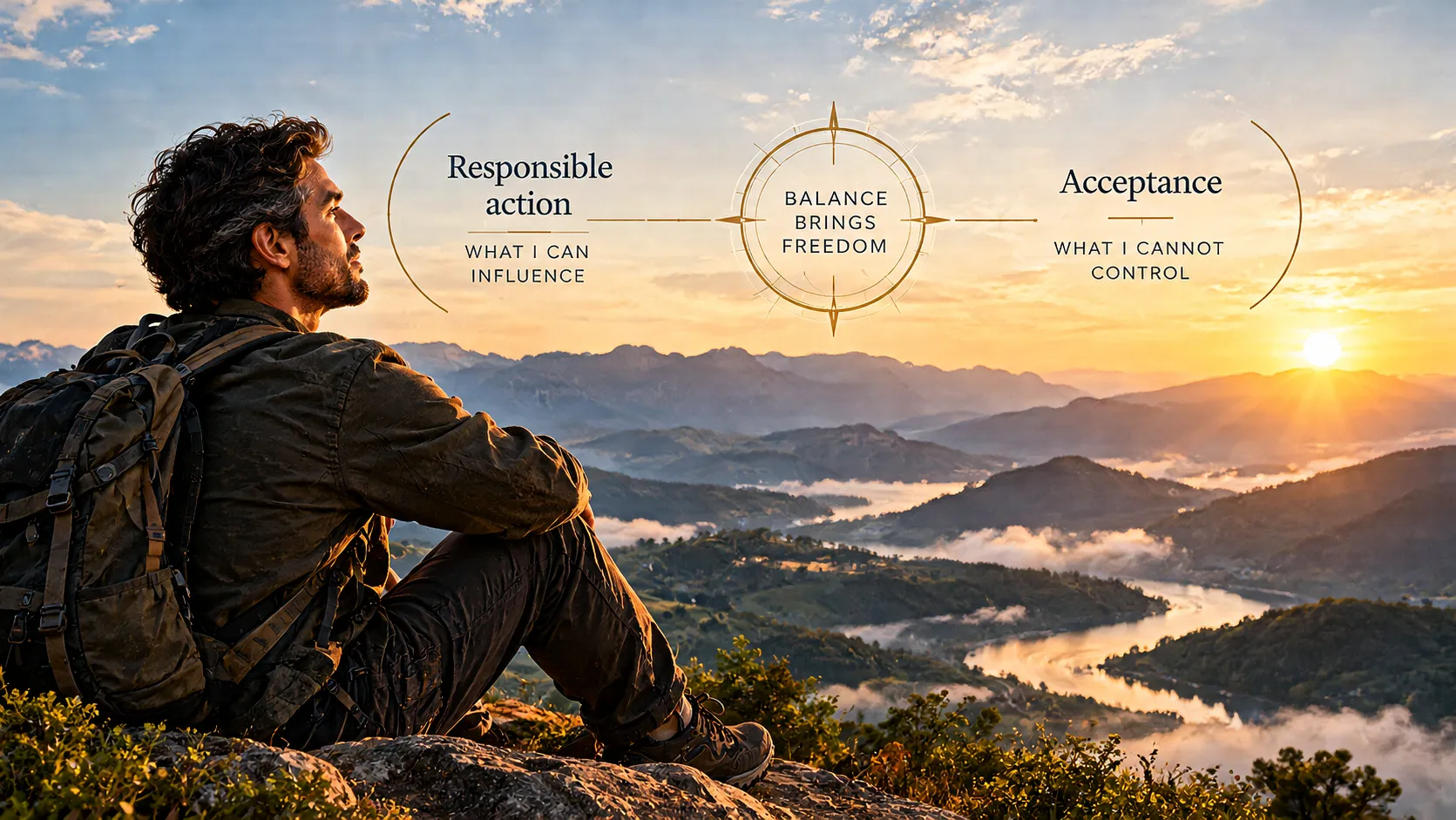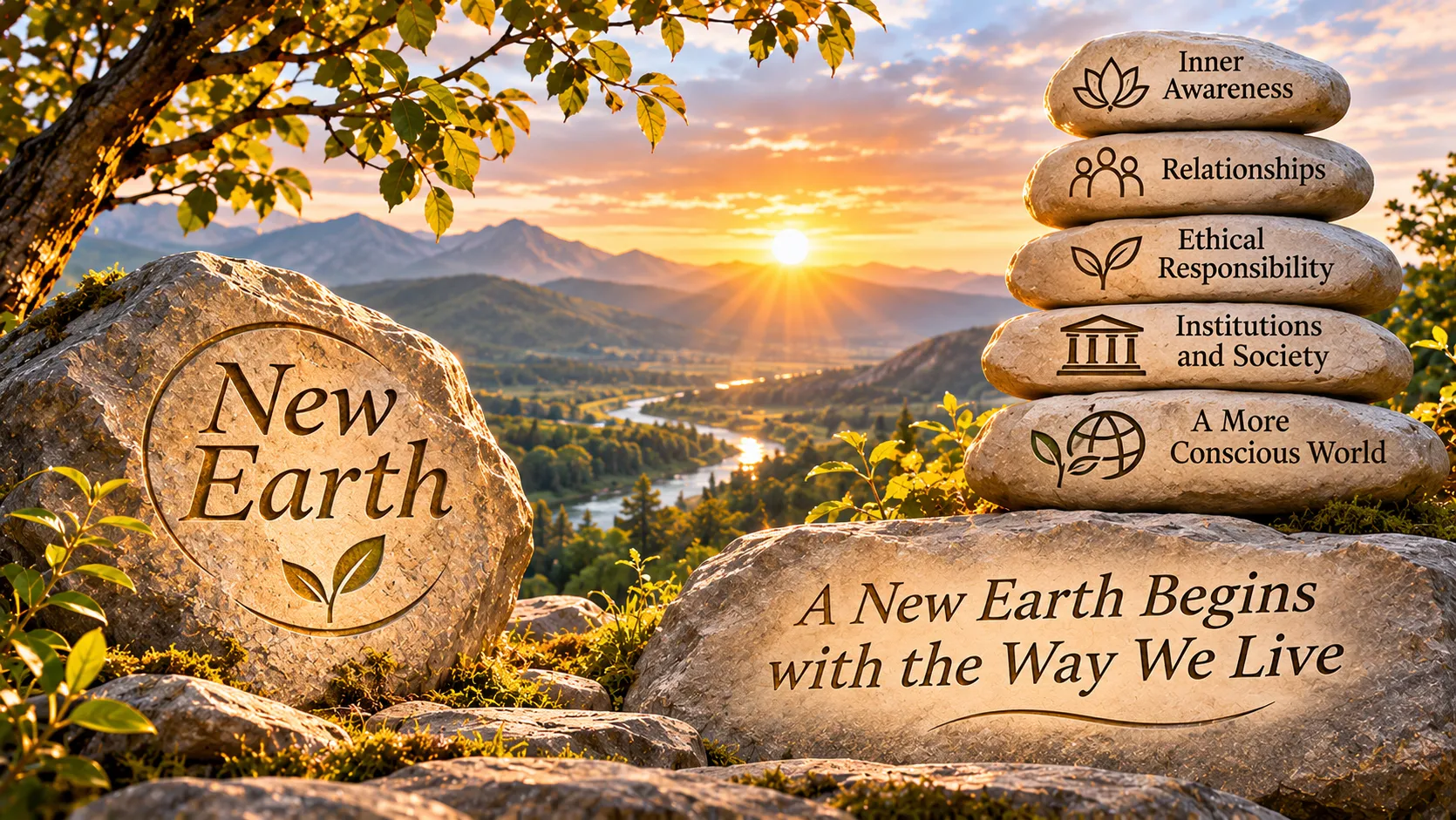
When we imagine a better world, we often think about what needs to change around us.
We imagine societies with greater justice, communities built on cooperation, relationships shaped by respect, and ways of living that place greater value on human well-being and the natural environment.
We hope for better institutions, more responsible leadership, and solutions to problems that affect millions of people.
These aspirations matter.
Human progress depends, in part, on our willingness to recognize conditions that can be improved and to participate in building alternatives.
But there is another question worth considering.
What does it mean to live according to the values we hope to see expressed in the world?
It is relatively easy to imagine a society in which people are more compassionate, responsible, and conscious of their actions.
It is more demanding to examine how those qualities appear in our ordinary decisions.
How do we respond when someone disagrees with us?
How do we use our resources?
What responsibilities do we accept toward the people around us?
How do our habits, relationships, and professional choices reflect the principles we consider important?
A new way of living cannot be built entirely through ideas about the future.
It must also find expression in the present.
Perhaps the possibility of a new earth begins not with the expectation of an extraordinary transformation, but with a more careful examination of how we already participate in the world.
Beyond the Idea of a Better World
Human history contains many visions of a better future.
Religious traditions have described possibilities of redemption, harmony, and spiritual renewal.
Philosophers have explored the conditions of a good society.
Political movements have challenged established institutions and proposed different arrangements of power, responsibility, and collective life.
Scientific and technological developments have opened possibilities that earlier generations could scarcely imagine.
These approaches emerge from different assumptions, and they do not always agree about what progress means or how it should be achieved.
Yet they reveal a continuing human concern: the desire to improve the conditions of existence.
There is value in imagining possibilities beyond the present.
Without imagination, many established circumstances might appear permanent simply because they are familiar.
But imagining a better future is not the same as creating the conditions through which it can emerge.
A vision becomes meaningful when it begins informing decisions.
Someone who values education may contribute by teaching, learning, supporting access to knowledge, or strengthening institutions that make education possible.
A person concerned about environmental responsibility may examine their consumption while also supporting broader practices and policies that address environmental challenges.
Someone who believes in human dignity may express that commitment through the way they treat colleagues, employees, family members, strangers, and people whose circumstances differ from their own.
These actions do not solve every problem.
Nor should responsibility for collective difficulties be placed entirely on individuals.
But values gain practical significance when they influence how we participate in real situations.
A better world cannot exist only as an attractive idea.
It must also become a question about conduct, cooperation, and the structures we help maintain or transform.
Inner Awareness and Outer Responsibility
The relationship between personal awareness and collective life is complex.
Our beliefs, emotions, habits, and interpretations influence how we respond to other people.
Someone who is accustomed to interpreting disagreement as a personal threat may struggle to participate constructively in difficult conversations.
A person who recognizes their own assumptions may become more willing to examine unfamiliar perspectives.
Someone who understands how fear influences their decisions may develop greater freedom to respond thoughtfully rather than automatically.
In this sense, inner awareness can contribute to the quality of our participation in the world.
But personal awareness is not a substitute for social responsibility.
A person may practice meditation, study philosophy, or develop considerable insight into their emotional patterns while remaining indifferent to the consequences of their actions.
They may speak eloquently about compassion while treating others unfairly.
They may value personal freedom without recognizing the responsibilities that accompany shared life.
Reflection becomes more meaningful when it influences conduct.
At the same time, many problems cannot be resolved through individual awareness alone.
Poverty, discrimination, environmental degradation, and unequal access to essential services involve historical, economic, institutional, and political conditions.
They require practical knowledge, coordinated efforts, public decisions, and collective responsibility.
It would be misleading to suggest that these difficulties exist merely because humanity has not achieved a sufficiently elevated state of consciousness.
The world is not transformed simply because individuals adopt more encouraging beliefs.
But the attitudes and values through which people participate in institutions and communities can influence what they are willing to build, preserve, challenge, or improve.
Inner development and external action are not interchangeable.
They can, however, inform one another.
The World We Create Through Relationships
Much of human life unfolds through relationships.
We depend on others for learning, cooperation, emotional connection, economic activity, and the organization of shared responsibilities.
Even activities that appear highly individual often rely on networks of people whose contributions remain largely invisible.
The food we eat, the homes we inhabit, the technology we use, and the services we depend upon are connected to countless forms of human cooperation.
This interdependence raises important questions about how we understand personal freedom.
Freedom does not necessarily mean living without obligations to others.
Nor does responsibility require abandoning individual autonomy.
A mature relationship between the two recognizes that our choices take place within a shared world.
Consider an ordinary workplace.
A person may be highly competent in their profession, but the quality of their contribution is influenced by more than technical skill.
It also involves how they communicate, respond to difficulties, acknowledge mistakes, and treat the people whose work supports their own.
A manager can pursue effective results while recognizing the dignity of employees.
A professional can advocate for their interests without assuming that every interaction must be a competition.
A colleague can express disagreement without treating the other person’s perspective as an enemy to defeat.
These behaviors may seem modest.
Yet they influence the environment in which people spend significant portions of their lives.
The same principle applies to families, friendships, neighborhoods, and communities.
Trust develops through repeated experiences.
Respect becomes visible through conduct.
Cooperation depends on the willingness to recognize that other people have needs, limitations, and perspectives that deserve consideration.
A more conscious world is not created by imagining that everyone will eventually think alike.
It may become more possible when we learn to share responsibilities while respecting legitimate differences.
Conscious Living Is Not a Perfect Lifestyle
The language of conscious living can easily become another ideal that people feel pressured to achieve.
We may imagine that a conscious person should always make ethical purchases, maintain healthy habits, communicate patiently, remain emotionally balanced, and contribute positively to every situation.
But such expectations can create an unrealistic standard.
Human beings make decisions within constraints.
Our available time, income, health, education, responsibilities, and social conditions affect what is possible.
A family managing limited resources may not have the same consumer choices as someone with greater financial flexibility.
A person working multiple jobs may have fewer opportunities for rest, study, or community participation.
Someone dealing with illness or significant personal difficulties may need to direct much of their energy toward immediate needs.
These realities matter.
Conscious living should not become a measure through which people are judged according to their access to resources or their ability to maintain a particular lifestyle.
Nor should it become a form of moral superiority.
An expensive product marketed as ethical does not automatically make its purchaser more responsible.
A spiritual practice does not establish that someone has greater human worth.
And adopting the language of awareness does not guarantee compassionate behavior.
A more useful understanding begins with honesty.
What is realistically available to us?
What consequences can we recognize?
Where do our choices affect others?
What responsibilities are reasonable within our circumstances?
Where might we need additional information, cooperation, or support?
Conscious living is not an exhibition of personal perfection.
It is an ongoing effort to make our participation more consistent with what we understand and value.
The Importance of Institutions and Shared Structures
Individual choices matter, but they take place within systems that influence the range of available possibilities.
A person may want to use public transportation, but their city may lack a reliable network.
Someone may value education but live in a community with limited educational opportunities.
A family may want to make environmentally responsible choices while depending on infrastructure and products that offer few practical alternatives.
These examples reveal an important limitation of purely individual approaches to social change.
Personal responsibility cannot replace the need for effective institutions.
Schools, healthcare systems, businesses, local governments, community organizations, and public infrastructure shape everyday life.
Their decisions influence access to resources, working conditions, environmental practices, and opportunities for participation.
A more conscious society therefore requires more than personal reflection.
It also requires attention to how institutions are designed, governed, and held accountable.
This may involve improving organizational practices, supporting transparent decision-making, participating in community initiatives, or contributing to constructive public dialogue.
Different societies will disagree about the best policies and institutional arrangements.
Those disagreements require evidence, deliberation, and the recognition that complex problems rarely have effortless solutions.
Awareness does not eliminate the need for expertise.
Spiritual language does not replace economic analysis, scientific research, or responsible public administration.
But reflection on human dignity, interdependence, and responsibility can help inform the values we bring to these discussions.
The question is not simply whether individuals can become more aware.
It is also whether the structures we participate in can become more responsive to the needs and well-being of those they affect.
A Different Relationship with Progress
Modern societies frequently measure progress through expansion.
More production.
Greater efficiency.
Higher income.
Faster communication.
New technologies.
These developments can create meaningful improvements in human life.
Economic opportunity can reduce hardship. Medical advances can improve health. Technology can expand access to knowledge and communication.
But growth in one dimension does not automatically establish progress in every dimension.
Greater productivity does not necessarily mean that people experience healthier relationships or more meaningful work.
More information does not guarantee better judgment.
Material abundance does not eliminate emotional distress or social conflict.
These distinctions invite us to examine what we mean by a successful life and a successful society.
What are we trying to make possible through economic development?
How should technological innovation serve human well-being?
What kinds of relationships, communities, and institutions do we want to preserve or improve?
How do we balance immediate benefits with long-term consequences?
These questions do not require rejecting material prosperity or technological advancement.
They encourage us to consider the purposes toward which those resources are directed.
Money, infrastructure, knowledge, and technology can be powerful instruments.
Their contribution to human life depends partly on how they are developed, distributed, governed, and used.
A conscious approach to progress does not assume that less is always better or that simplicity is inherently virtuous.
It asks whether the means we create remain connected to the ends we value.
Small Actions and Collective Possibilities
There is a familiar idea that changing the world begins with changing ourselves.
It contains a useful insight, but it can become misleading when treated as a complete explanation.
Personal change does not automatically produce collective transformation.
A person can develop healthier habits without changing the institutions that shape their community.
Someone can become more compassionate without resolving the material conditions affecting other people’s lives.
The relationship between personal development and social change is neither automatic nor simple.
Nevertheless, individual conduct remains relevant.
Collective life is sustained through participation.
People make decisions within families, workplaces, organizations, neighborhoods, and communities.
They establish expectations, cooperate with others, challenge harmful practices, and contribute to the institutions through which shared life operates.
A person who begins communicating more respectfully may improve the quality of a particular relationship.
A business owner who adopts fairer practices may influence the working conditions of employees.
A teacher who encourages critical thinking may contribute to students’ capacity for independent judgment.
A community member who participates constructively in local initiatives may help address a problem that would remain unresolved through private reflection alone.
These actions differ in scale and consequence.
They should not be presented as interchangeable solutions to complex social problems.
But they illustrate how values can move from personal reflection into shared experience.
Sometimes, meaningful participation begins with a small decision.
At other times, it requires sustained cooperation, professional expertise, institutional reform, or organized collective action.
The appropriate response depends on the nature of the problem.
Conscious living includes recognizing that distinction.
Spirituality Without Escaping the Human World
Spiritual inquiry has often involved questions about whether human experience contains dimensions that cannot be fully understood through ordinary material explanations.
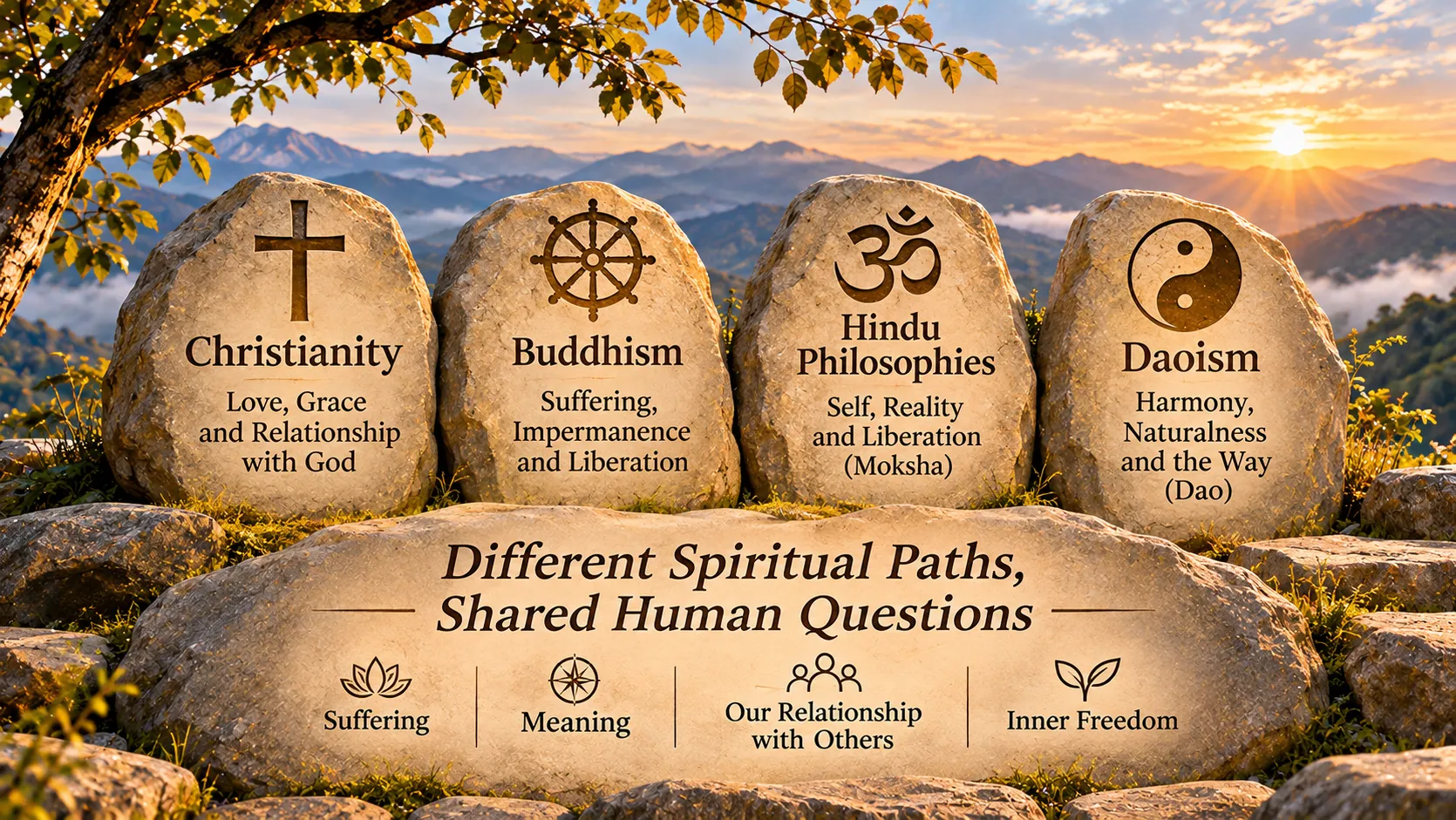
Different traditions have approached these questions through theology, philosophy, contemplation, ritual, and personal experience.
For some people, spirituality is inseparable from religious faith.
For others, it involves reflection on consciousness, meaning, connection, or the deeper possibilities of human existence.
These approaches can differ substantially.
A publication devoted to spiritual wisdom does not need to pretend that all such differences can be resolved.
Nor does it need to claim special knowledge about the ultimate nature of reality.
There is room for inquiry without demanding certainty.
But one principle deserves particular attention: spiritual exploration should not require indifference toward ordinary human life.
The material world is where we experience relationships, responsibilities, creativity, learning, and cooperation.
Our bodies require care.
Our communities depend on participation.
Our decisions have consequences.
Our opportunities are influenced by social and economic conditions.
Whatever a person believes about the spiritual dimensions of existence, these practical realities remain important.
An interest in consciousness does not excuse neglecting responsibilities.
The pursuit of inner peace does not require ignoring injustice.
And a sense of spiritual connection does not eliminate the need to respect other people’s autonomy.
Perhaps one of the most valuable contributions of spiritual reflection is not to persuade us to escape ordinary life, but to encourage us to participate in it with greater attention and discernment.
What We Mean by New Earth
The name New Earth can evoke many interpretations.
For some, it may suggest renewal.
For others, the possibility of a different relationship between humanity and the natural world.
It may call to mind spiritual traditions, philosophical visions, or aspirations for social transformation.
Here, it begins with a simple proposition.
A different world is not only something we imagine. It is also something we participate in creating through the way we live.
This proposition does not imply that the future can be controlled through personal intention.
It does not announce an approaching supernatural transformation or claim that humanity is entering a guaranteed new stage of spiritual development.
It does not suggest that suffering, conflict, or structural difficulties can be eliminated through changes in consciousness alone.
Instead, New Earth is an invitation to examine the relationship between inner awareness and everyday participation.
How do our beliefs influence our behavior?
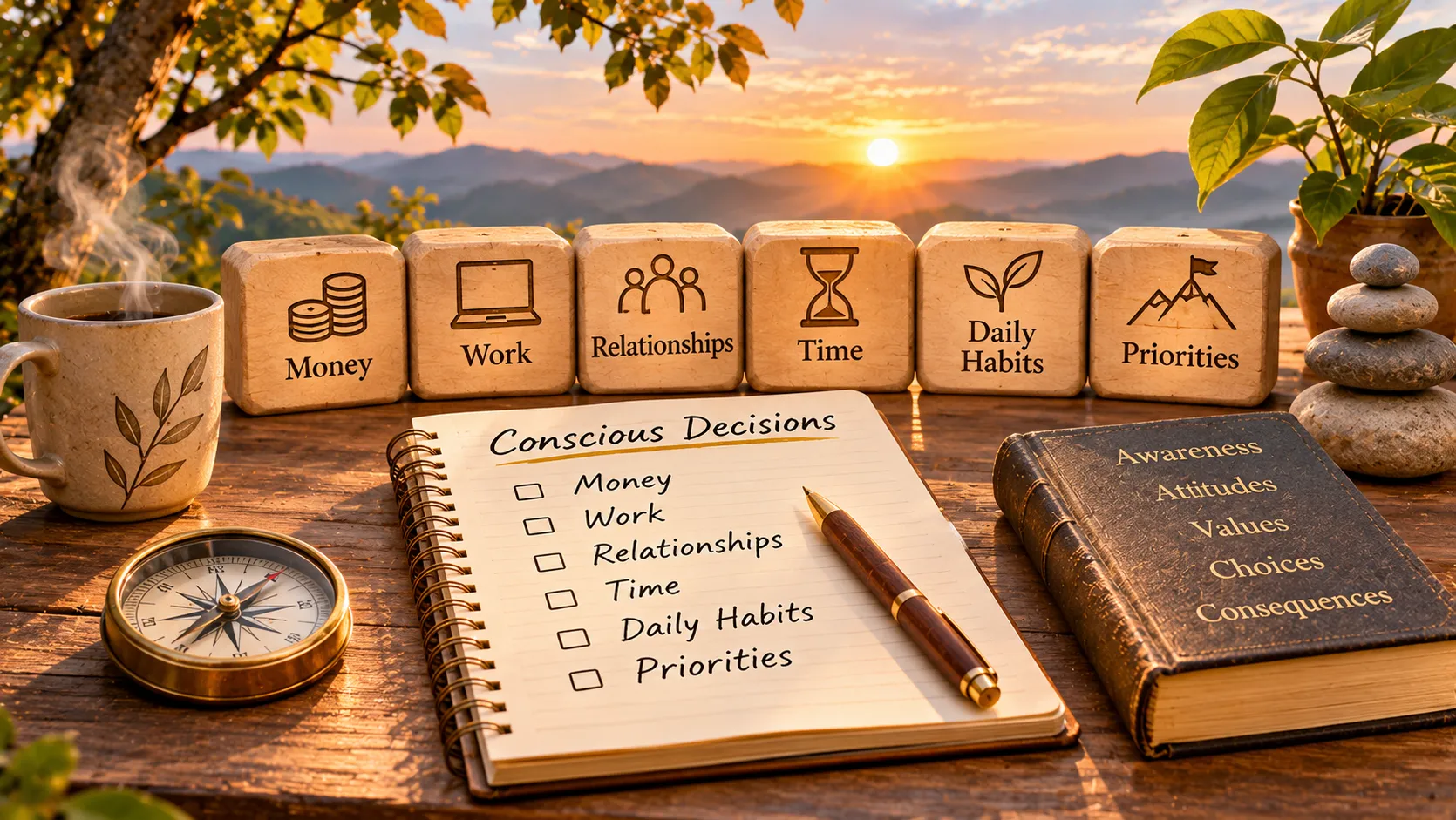
How do our habits shape our choices?
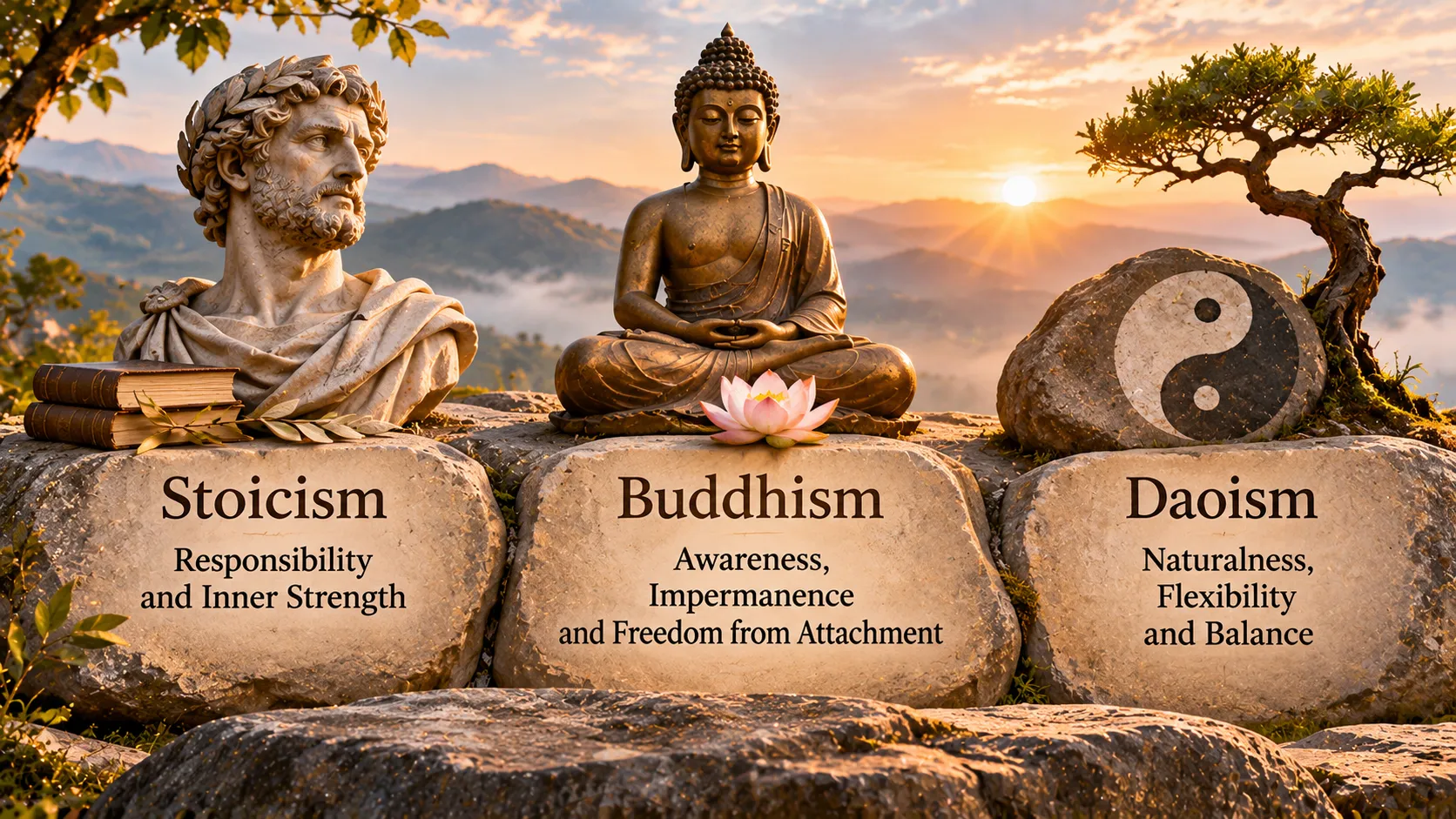
What can philosophical and spiritual traditions contribute to our understanding of life?
How can we develop greater freedom without abandoning responsibility?
What does it mean to build, work, love, and cooperate with greater awareness?
How can personal reflection contribute to ethical conduct without replacing the need for practical knowledge and collective action?
These questions form the foundation of this publication.
They are not presented as a doctrine that readers must accept.
They are starting points for continued exploration.
New Earth welcomes readers who approach these subjects through different religious, philosophical, cultural, or nonreligious perspectives.
The intention is not to establish a new identity that separates conscious people from everyone else.
It is to create an editorial space in which thoughtful inquiry can contribute to a richer understanding of human experience.
The World Begins Where We Participate
It is natural to imagine a future in which many of today’s difficulties have been overcome.
We can hope for healthier communities, more responsible institutions, greater opportunities, and more respectful relationships.
These aspirations deserve practical commitment.
But the future is not the only place where meaningful change can occur.
Everyday life continually presents situations that invite attention.
A disagreement can become an opportunity to practice more careful communication.
A professional responsibility can become an occasion to act with greater integrity.
A financial decision can invite reflection on priorities and consequences.
A relationship can reveal the importance of listening, boundaries, and mutual respect.
A community challenge can encourage cooperation rather than resignation.
None of these situations requires us to imagine that our actions will transform the entire world.
Their value lies in the quality of the participation they make possible.
Some choices will have modest consequences.
Others may influence people and institutions in ways we cannot fully anticipate.
What matters is that we remain willing to examine how our conduct relates to the values we consider important.
We do not need to become perfect before contributing something meaningful.
We do not need to possess a complete explanation of consciousness.
And we do not need to agree on every philosophical or spiritual question.
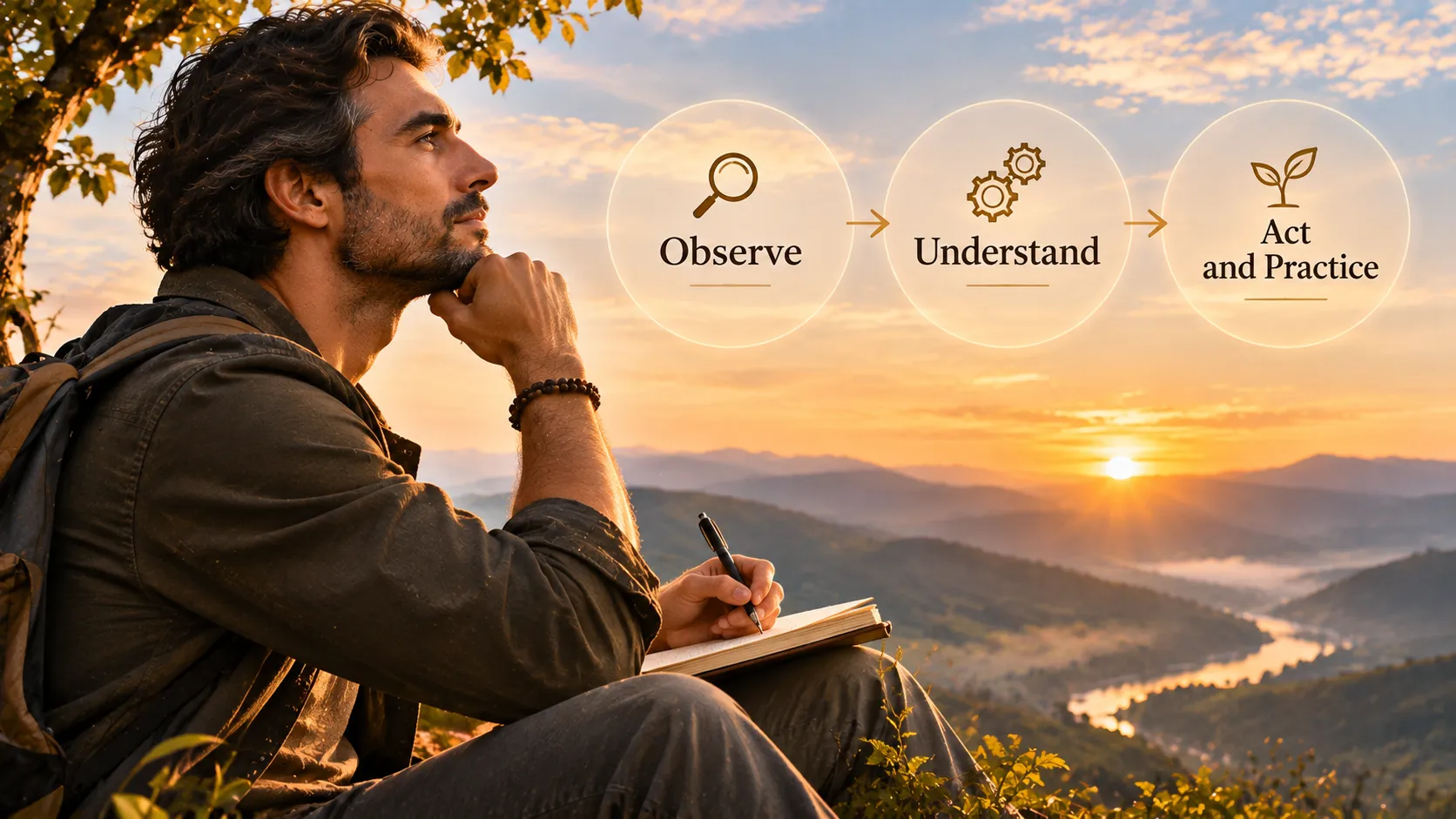
We can begin with honesty about our circumstances, curiosity about our assumptions, and responsibility for the actions available to us.
From there, we can continue learning.
A New Earth Is an Ongoing Possibility
A more conscious world is not a finished destination waiting to be discovered.
It is a possibility that invites continued examination of how human beings live together.
Its development cannot be guaranteed.
There will always be uncertainty, disagreement, competing interests, and circumstances that exceed individual influence.
But uncertainty does not make thoughtful participation meaningless.
We can contribute to the quality of our relationships.
We can develop skills and use resources responsibly.
We can support institutions that serve human well-being.
We can study different traditions without reducing them to a single doctrine.
We can examine our habits, reconsider old assumptions, and remain open to learning.
And we can recognize that personal awareness becomes more meaningful when it influences how we treat the world beyond ourselves.
New Earth begins with this invitation.
Not to escape the present.
Not to wait for an extraordinary future.
Not to imagine ourselves as separate from the difficulties and responsibilities of human life.
But to investigate how we can participate more consciously in the world we already share.
A different way of living may not begin with having every answer.
It may begin with asking more carefully what we value, what we create, and what our choices make possible.
The future remains open.
And our participation in it has already begun.
A New Earth begins not when the world becomes perfect, but when we become more conscious of how we live, what we build, and how we share the world with others.